01
Goods-in and deliveries
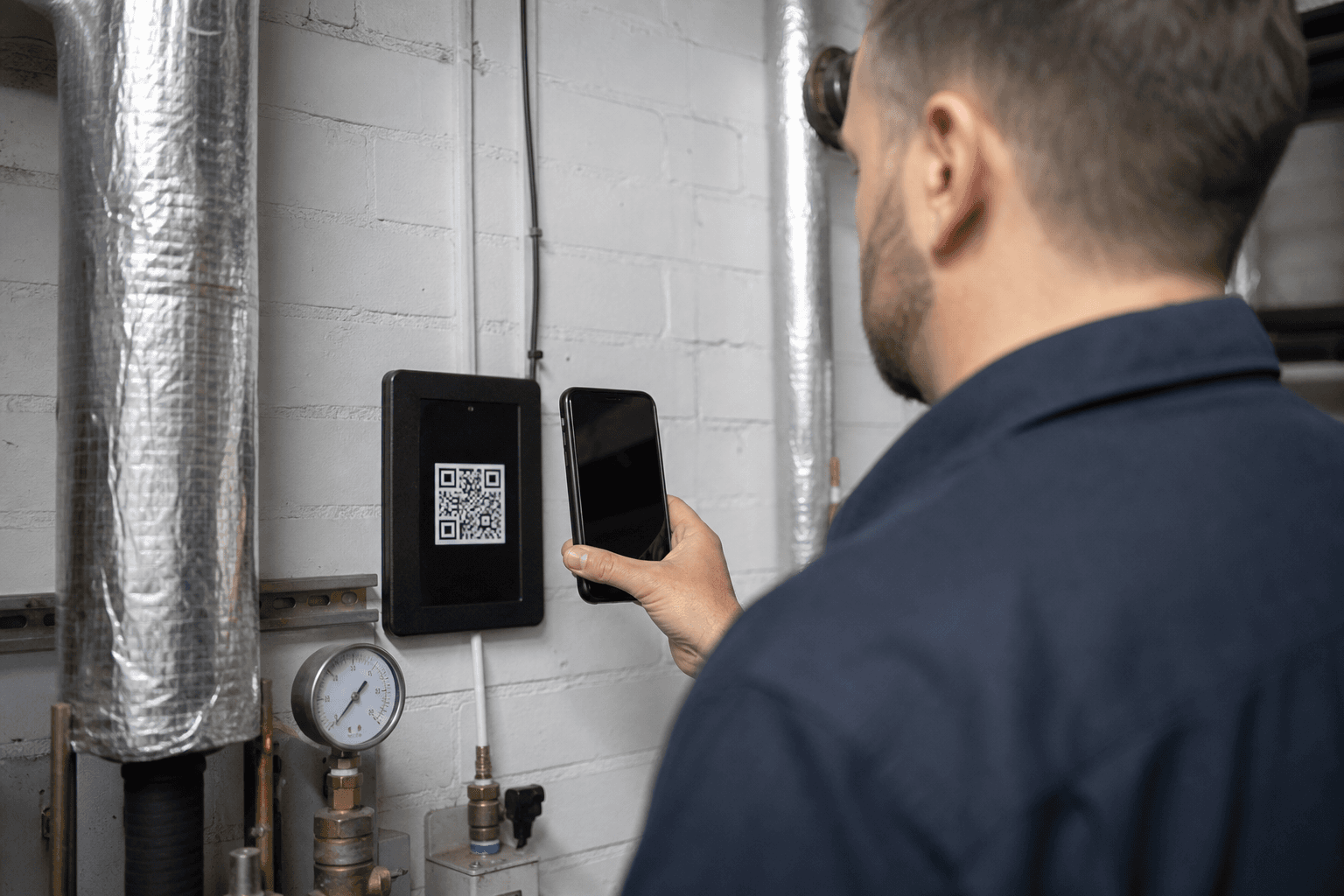
Scan at the bay. Confirm the drop, add a photo, and the visit is already a named event.
Logistics
A POD photo, a gate timestamp, a driver who says they waited — logistics arguments start when those don't agree. The board at the bay is the place the record should be made.
Goods-in happens in a specific dock. Yard checks happen at a specific gate. If the proof can be produced from the cab, it will be. Stationed binds the event to the board on that dock, redeemed by a named person, while the site is open.
Stationed is not a logistics product. It is one physical-operations platform. These are the jobs it already records.
01
Scan at the bay. Confirm the drop, add a photo, and the visit is already a named event.
02
Scheduled or on-demand. The board only exists in that place, so a scan from elsewhere doesn't count.
03
Signed webhooks carry the event onward — warehouse, TMS, or a client portal — with an HMAC you can verify.
A patrol, a kitchen check, a contractor callout, a care visit. The job on the phone changes. The record does not: the right place, the right time, the right person.
We start with one site and one check. The rest of the platform is there when you need it.
Kitchen first
Start with one kitchen.
We set up the walk-in check with you. A browser tab on a screen you already own is enough for the first log.
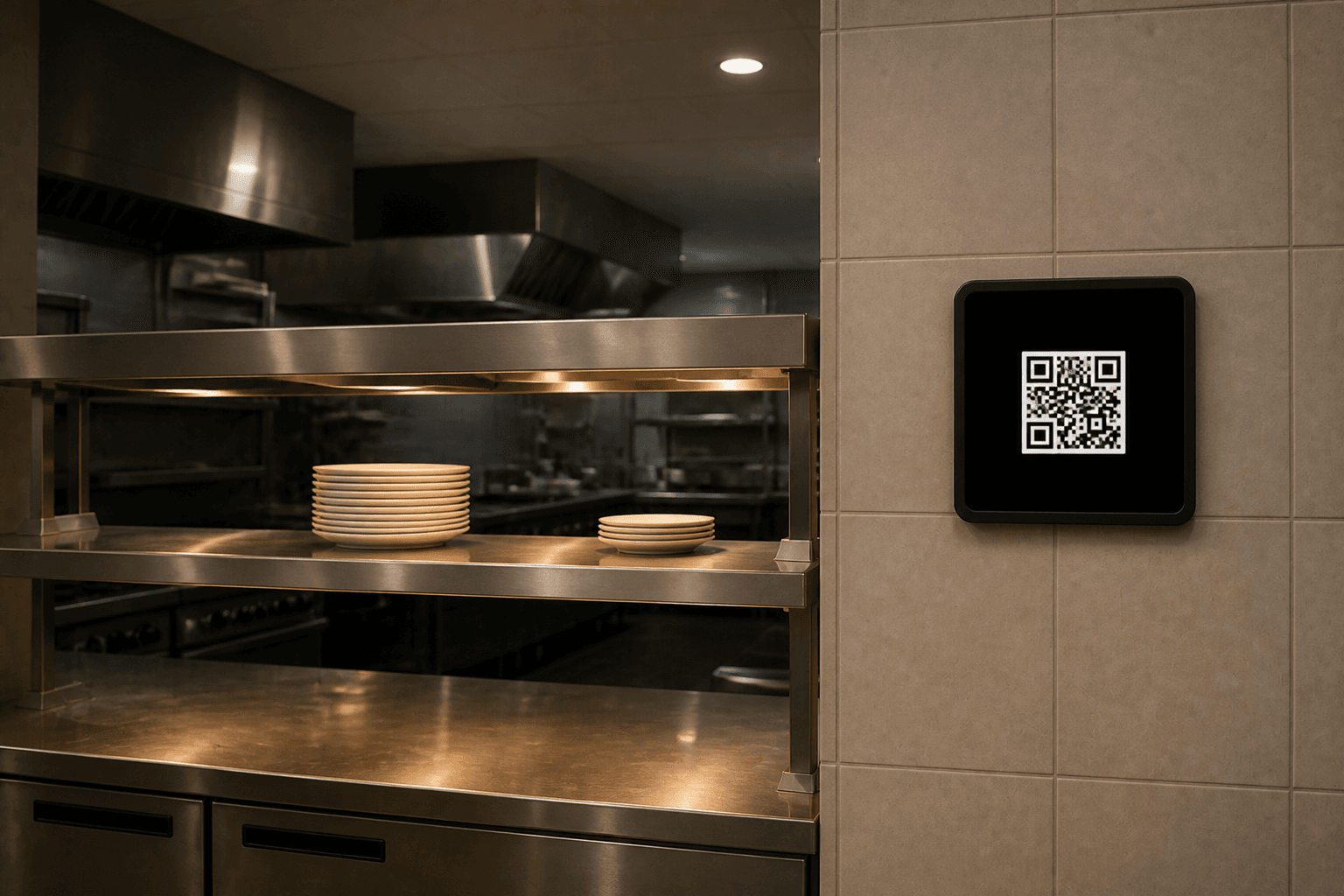
Register a site, enrol a board, and the next person who scans it becomes a record you can stand behind.